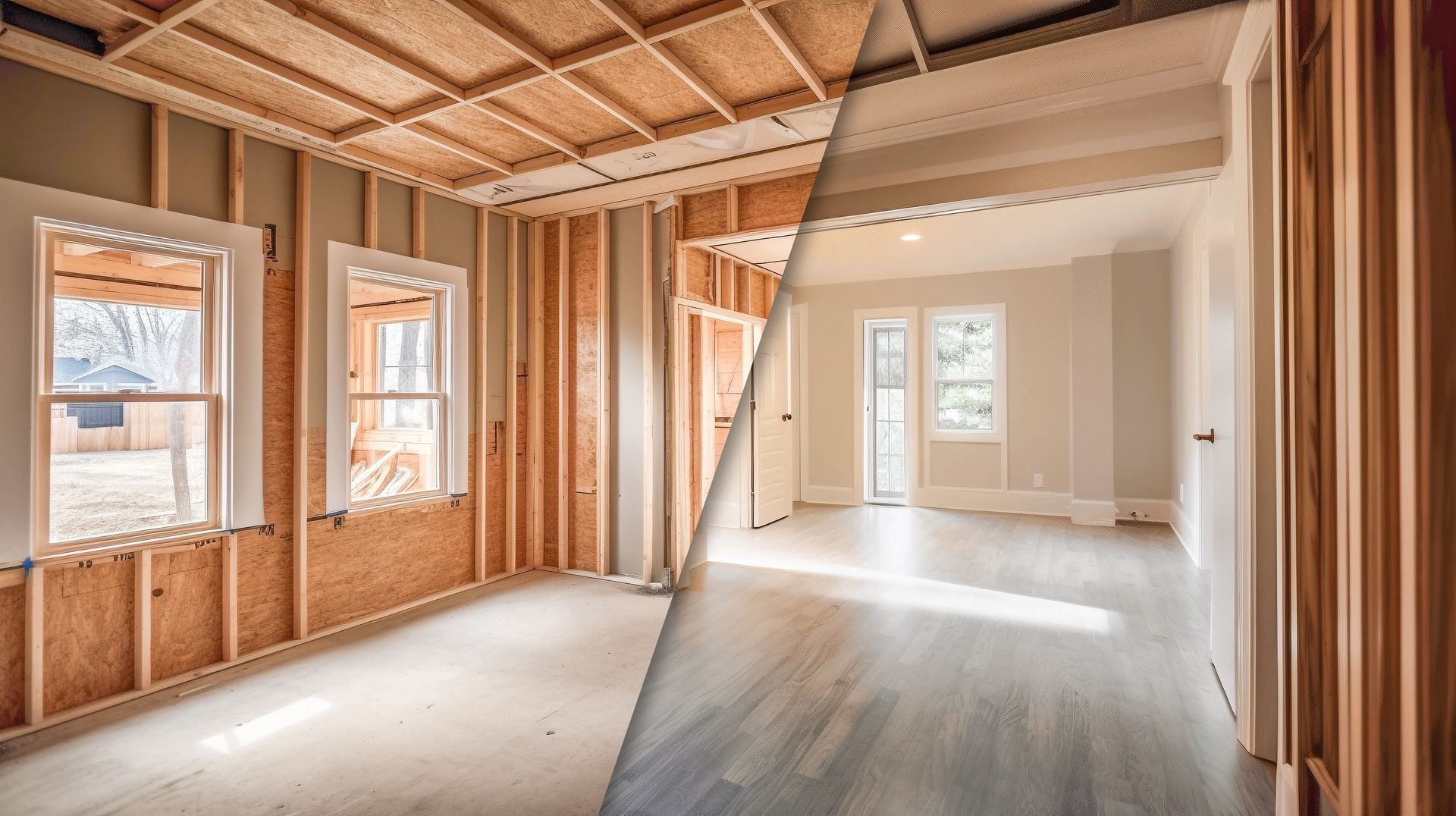
Fire, Water and mold restoration.


Contents packout, total loss and inventory.

Southern Californias trusted partner in fire, water, and mold damage restoration.

Get help now 858 736 5733

Hours

24/7 Emergency Services


Service area

San Diego County, Orange County, Riverside County and Los Angeles County


Call us now

Our Restoration services


At 75 And Sunny Remediation, we understand how devastating fire, water, and mold damage can be to your home or business. Our dedicated team is here to restore your property and peace of mind quickly and efficiently. Serving Southern California with 24/7 emergency services, we’re always ready to assist you when you need us most.


75 & Sunny offers damage restoration in San Diego County, Orange County, and southern Riverside County.

Our team is available 24 hours a day, 7 days a week.

Give us a call as soon as your property emergency is over and we’ll respond immediately.

fire damage remediation

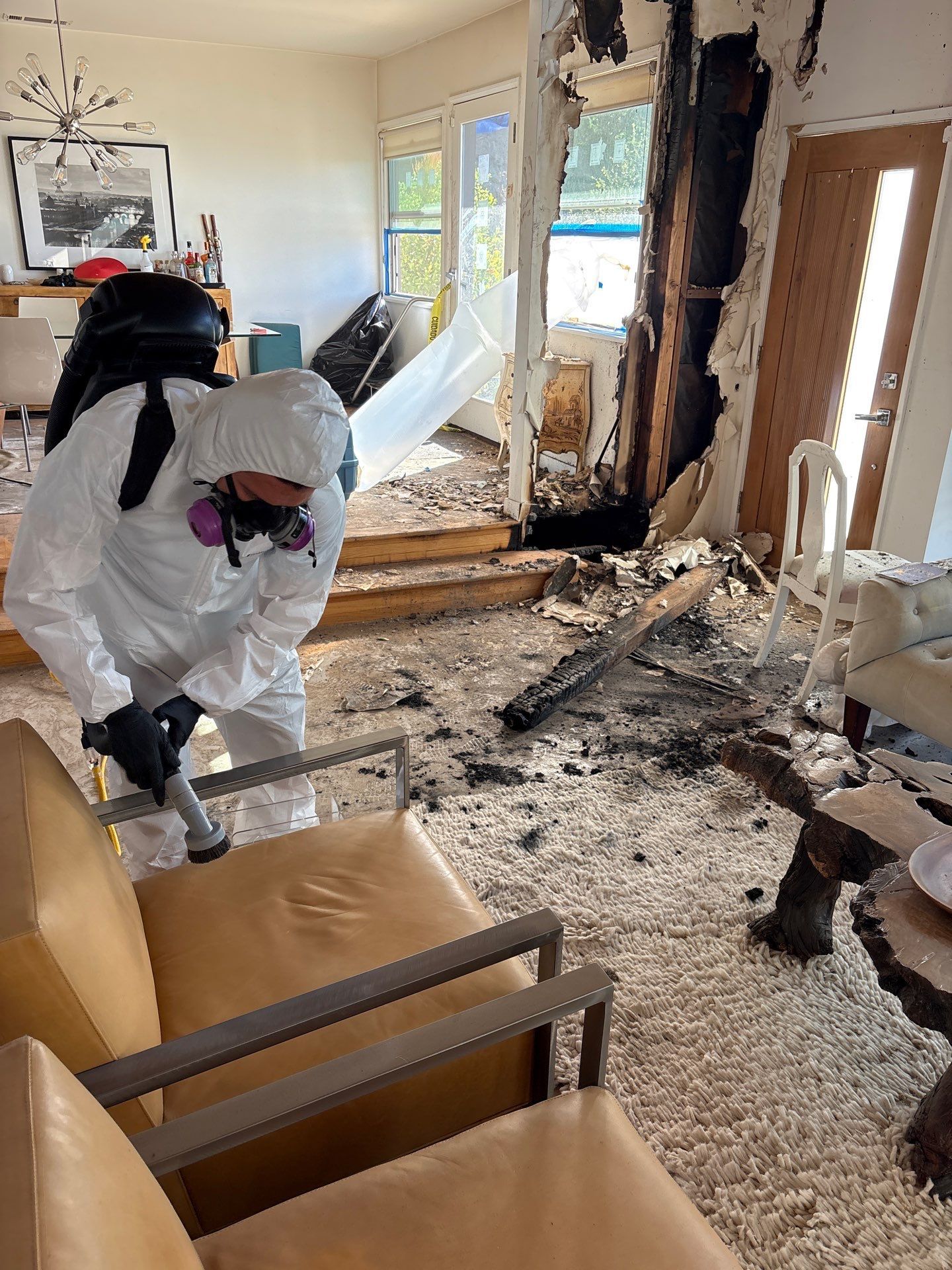
Fire Damage Restoration

From soot removal to structural repairs, we handle every aspect of fire & smoke damage.
Learn More

A line drawing of a house with a drop of water on the roof.

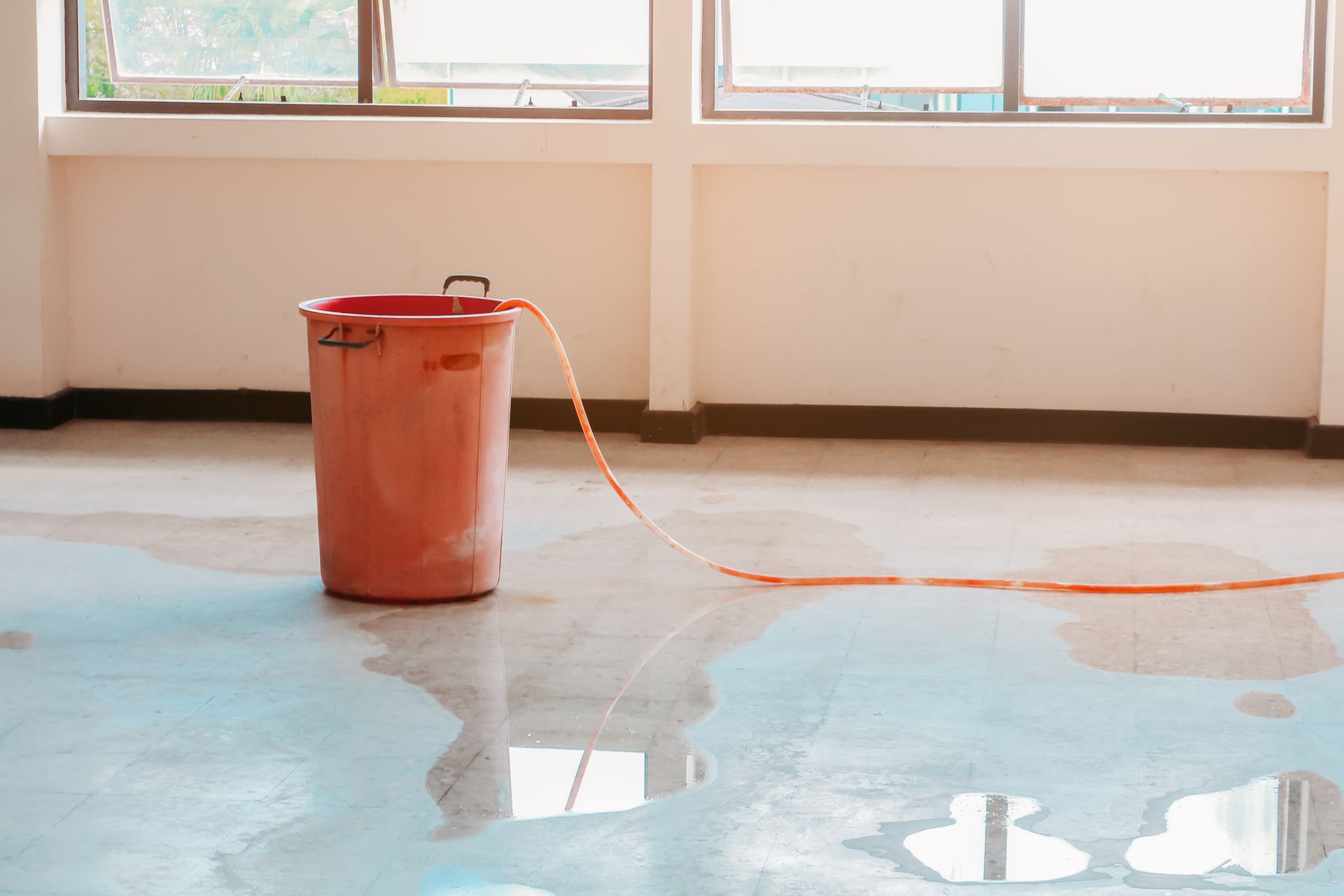
Water Damage Restoration

Rapid response to water damage is crucial. Our experts use advanced techniques to extract water, dry affected areas, and prevent mold growth.

Learn More

Three orange icons of bacteria on a white background.

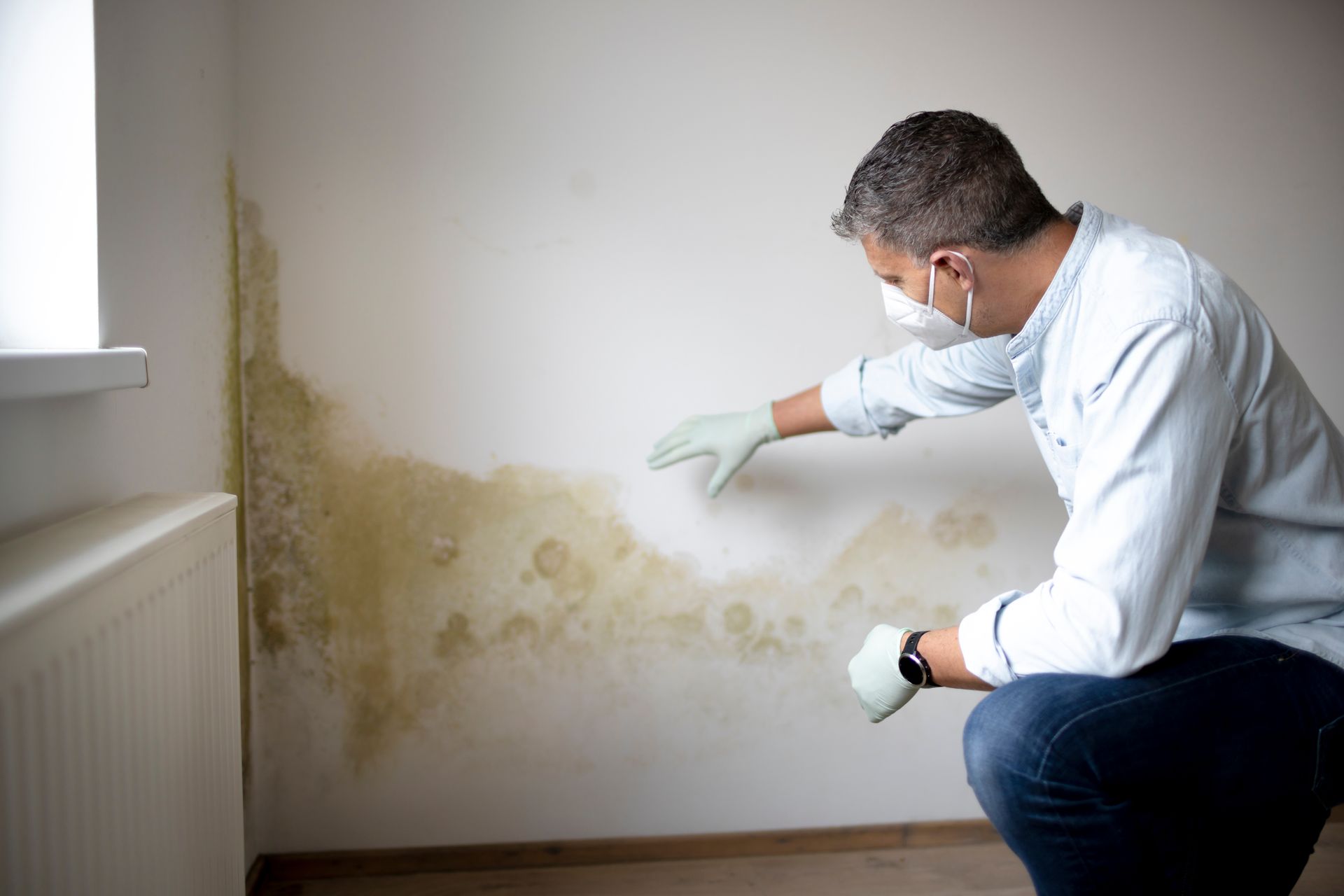
Mold Damage Restoration

Mold can cause serious health issues and structural damage. Our team identifies and removes mold safely and effectively, ensuring a healthy environment.

Learn More

A stack of boxes with an arrow pointing up.

Packout Services

We carefully pack and transport your belongings to a secure location during the restoration process, ensuring their safety and preservation.

Learn More

A hand is holding a house with a star on the roof.

Content Cleaning

Our specialized cleaning services restore your personal items, furniture, and valuables to their pre-damage condition.

Learn More

A white triangle with a shadow on a white background.

why choose 75 And SUnny?


Honest and good people that will take good care of your home and personal property.

The backbone of who we are; quality work, good communication and people you can build trust with for any project.

Experienced Professionals

Our team of certified technicians uses the latest equipment and techniques to ensure the best results. All technicians are IICRC certified and continue yearly education and training.

Local and Reliable

As a Southern California company, we understand the unique challenges of our region and are committed to serving our community with integrity and care.

24/7 Emergency Services

Disasters don’t wait for business hours. We’re available around the clock to respond to your emergency.

What our clients say about us


resources

By Matt Johnson August 10, 2026
This is a subtitle for your new post
November 14, 2024
Flooding can cause extensive damage to your home, and the aftermath often leaves more than just visible water damage. One of the most serious consequences of flooding is the increased risk of mold growth. Mold thrives best in damp environments and can begin growing within 24 to 48 hours after water exposure. While it may be tempting to handle cleanup independently, professional mold remediation is essential after flooding to ensure a thorough cleanup and prevent future issues.
By Matt Johnson October 23, 2024
Water damage can happen unexpectedly, and your immediate response is crucial in preventing further issues. Many homeowners wonder whether they should handle water damage restoration independently or hire professionals. While each approach has advantages, choosing the best option often depends on the severity of the damage and the tools and knowledge required. In this blog post, we’ll compare DIY methods with professional water damage restoration services, highlighting the pros and cons of each to help you make an informed decision.
September 20, 2024
Your home is one of your most valuable assets, and keeping it in good condition is crucial to preserving its safety and longevity. While emergencies like fires, floods, and mold infestations can seem unpredictable, regular home maintenance significantly prevents these disasters. Preventing Fire Damage Fires can be devastating, but many are preventable with proper maintenance and attention to safety measures. Here are some ways regular maintenance can reduce the risk of fire damage: Smoke Detectors and Fire Alarms: Test smoke detectors and fire alarms monthly to ensure they’re working properly. Replace batteries at least once a year and install new detectors every 10 years. Electrical System Inspections: Faulty wiring is a leading cause of home fires. Schedule regular electrical system inspections by a licensed electrician to identify frayed wires, outdated circuits, and overloaded outlets. Address any electrical issues immediately to reduce fire risk. Chimney and Fireplace Maintenance: If you have a fireplace or wood-burning stove, have your chimney cleaned and inspected annually to remove creosote buildup, a major fire hazard. Also, ensure the fireplace screen is in good condition to prevent sparks from escaping. Appliance Care: Clean lint traps in dryers regularly and vacuum behind appliances like refrigerators and ovens to prevent dust and lint from accumulating near electrical components. Always follow manufacturer recommendations for maintenance. Clear Away Combustibles: Keep flammable items, such as curtains, towels, and paper products, away from heat sources like stoves, space heaters, and candles. Regularly declutter to avoid fire hazards. Preventing Water Damage Water damage can be costly and lead to long-term structural issues and mold growth. Routine maintenance of your home’s plumbing and drainage systems can prevent leaks and floods before they start: Inspect and Maintain Plumbing: Check pipes, faucets, and fixtures for leaks or signs of corrosion, particularly in older homes. Address leaks immediately to prevent water damage from spreading. Consider insulating pipes in colder climates to prevent them from freezing and bursting. Gutters and Downspouts: Clean your gutters and downspouts at least twice yearly to ensure proper water flow away from your home’s foundation. Clogged gutters can lead to water pooling on your roof or around your foundation, causing leaks and water damage. Roof Inspections: Regularly inspect your roof for missing or damaged shingles, and have them repaired immediately. Water can seep through even small gaps, leading to significant interior damage over time. Also, ensure your attic has proper ventilation to prevent moisture buildup. Appliance Maintenance: Regularly inspect water-based appliances like washing machines, dishwashers, and water heaters for leaks or signs of wear. If hoses show signs of cracking or bulging, replace them every five years or sooner. Basement and Foundation Checks: Inspect your basement for signs of water intrusion, such as dampness, cracks, or standing water. Seal foundation cracks to prevent water from entering and consider installing a sump pump in areas prone to flooding. Preventing Mold Damage Mold thrives in damp environments and can spread quickly if not addressed. Routine home maintenance helps eliminate the conditions that promote mold growth and keeps your home healthy and mold-free: Control Humidity Levels: Mold grows in humid environments, so keeping indoor humidity levels between 30% and 50% is important. To do this, use dehumidifiers in areas like basements, bathrooms, and laundry rooms. Ventilation: Ensure proper ventilation in moisture-prone areas like bathrooms, kitchens, and laundry rooms. Install exhaust fans and use them when cooking, showering, or doing laundry to prevent condensation from building up. Fix Leaks Promptly: Address any leaks in your roof, plumbing, or foundation as soon as they appear. If left unattended, even minor leaks can lead to significant mold growth. Regular HVAC Maintenance: If not properly maintained, your heating, ventilation, and air conditioning (HVAC) system can be a breeding ground for mold. Change air filters regularly and schedule annual HVAC inspections to keep your system clean and moisture-free. Monitor Windows and Doors: Check around windows and doors for signs of condensation or water intrusion. Ensure that caulking and weatherstripping are in good condition to prevent moisture from seeping inside. Benefits of Regular Home Maintenance Performing routine maintenance doesn’t just protect your home from disaster damage—it also offers several long-term benefits: Cost Savings: Regular upkeep helps you catch small issues before they become expensive repairs. Preventing water, fire, and mold damage can save you thousands of dollars in restoration costs. Increased Home Value: A well-maintained home retains its value over time, making it more appealing to potential buyers if you ever decide to sell. Peace of Mind: Regular maintenance gives you peace of mind knowing your home is in good condition and less likely to suffer from unexpected disasters. Improved Safety and Health: Maintaining your home reduces health risks associated with mold exposure and fire hazards, creating a safer, healthier living environment for your family. Conclusion Regular home maintenance is your first defense against fire, water, and mold damage. By staying proactive and addressing issues before they escalate, you can protect your home, save money, and ensure a safe and healthy environment for years. Prioritize maintenance tasks like inspecting plumbing, cleaning gutters, servicing appliances, and controlling humidity levels to prevent disaster damage and keep your home in top condition. For professional restoration services and expert advice on preventing home damage, contact 75 And Sunny Remediation. We’re here to help you safeguard your home and provide peace of mind regarding fire, water, and mold prevention.

August 16, 2024
Water damage is one of the most common and costly issues homeowners face. Water can wreak havoc on your home from burst pipes to natural disasters, leading to extensive repairs and potential health risks. The good news is that many causes of water damage can be prevented with the right precautions. In this blog post, we’ll explore the top causes of water damage in homes and the steps you can take to prevent them. 1. Burst Pipes Cause: Burst pipes are a leading cause of water damage, often resulting from freezing temperatures, high water pressure, or old and corroded pipes. Prevention: Insulate Pipes: In colder climates, insulate pipes in unheated areas like basements, attics, and garages to prevent freezing. Monitor Water Pressure: High water pressure can strain your pipes. Install a water pressure regulator to maintain a safe pressure level between 40 and 60 PSI. Regular Maintenance: Inspect your plumbing regularly for signs of wear, rust, or leaks. Replace old or damaged pipes to prevent potential bursts. 2. Leaky Roofs Cause: A leaky roof can allow water to seep into your home, damaging ceilings, walls, and insulation. Leaks often occur due to missing or damaged shingles, improper flashing, or clogged gutters. Prevention: Regular Roof Inspections: Inspect your roof at least twice a year, especially after severe weather. Look for missing or damaged shingles, cracked flashing, and other potential issues. Clean Gutters: Keep your gutters and downspouts clean and debris-free to ensure proper water drainage. Clogged gutters can cause water to back up and seep under your roof. Prompt Repairs: Address any roof issues immediately to prevent leaks. Minor repairs now can save you from costly water damage later. 3. Faulty Appliances Cause: Household appliances like washing machines, dishwashers, and water heaters can develop leaks over time. Aging hoses, broken seals, and faulty connections are common culprits. Prevention: Inspect Hoses and Seals: Regularly check the hoses and seals on your appliances for signs of wear, cracks, or leaks. Replace them as needed. Use Water Sensors: Install water sensors near appliances to detect leaks early. These sensors can alert you to potential issues before they cause significant damage. Follow Manufacturer Guidelines: Maintain your appliances according to the manufacturer’s recommendations, including regular servicing and timely parts replacement. 4. Clogged Drains Cause: Clogged drains can overflow sinks, toilets, and bathtubs, causing water to spill onto floors and seep into walls. Prevention: Avoid Drain Blockages: Never pour grease, oil, or food scraps down the drain. Use drain screens to catch hair, soap scum, and other debris. Regular Drain Cleaning: Clean your drains with baking soda and vinegar to prevent clogs. Avoid using chemical drain cleaners, as they can damage pipes. Address Slow Drains: If you notice slow drainage, address it immediately before it becomes a complete blockage. 5. Foundation Cracks Cause: Cracks in your home’s foundation can allow water to seep into your basement or crawl space, leading to significant damage and potential mold growth. Prevention: Seal Foundation Cracks: Inspect your foundation regularly for cracks or gaps. Use a high-quality sealant to fill any cracks and prevent water infiltration. Grade Your Yard: Ensure the ground around your home slopes away from the foundation. Proper grading helps direct water away from your home, reducing the risk of water pooling near the foundation. Install a Sump Pump: Consider installing a sump pump in your basement or crawl space to remove excess water and prevent flooding. 6. Poorly Maintained Gutters and Downspouts Cause: Clogged or improperly maintained gutters and downspouts can cause water to overflow, damaging your roof, siding, and foundation. Prevention: Regular Cleaning: Clean your gutters and downspouts at least twice a year, especially in the fall and spring, to remove leaves, twigs, and other debris. Install Gutter Guards: Consider installing gutter guards to prevent debris from accumulating and clogging your gutters. Ensure Proper Drainage: Make sure downspouts direct water at least five feet away from your home’s foundation to prevent water from pooling near the base. 7. HVAC Issues Cause: HVAC systems, particularly air conditioning units, can cause water damage if they develop leaks or if condensation builds up and isn’t properly drained. Prevention: Regular Maintenance: Schedule annual HVAC maintenance to check for leaks, clean the coils, and ensure proper drainage. Check Condensation Lines: Inspect the condensation lines regularly to ensure they aren’t clogged or leaking. Clear any blockages promptly. Install a Secondary Drain Pan: To catch potential leaks, consider installing a secondary drain pan under your air conditioning unit. Conclusion Water damage can be costly and stressful, but many of its common causes are preventable with regular maintenance and proactive measures. Protecting your home from burst pipes, leaky roofs, faulty appliances, and other potential issues can minimize the risk of water damage and keep your home safe and dry. For professional water damage restoration services, contact 75 And Sunny Remediation . Our experienced team is here to help you recover quickly and efficiently, ensuring your home is restored to its pre-damage condition. Don’t wait until it’s too late—take action today to prevent water damage and protect your home.
July 22, 2024
Experiencing damage to your home from fire, water, or mold is stressful and overwhelming. Amidst the chaos, dealing with insurance companies and filing claims can add to your stress. However, understanding the process and knowing what to expect can make it more manageable. Here’s what homeowners need to know about navigating insurance and restoration. Understanding Your Insurance Policy Before disaster strikes, it’s essential to understand your homeowner’s insurance policy. Familiarize yourself with the coverage details, including: Coverage Limits: Know the maximum amount your policy will pay for different types of damage. Deductibles: Understand how much you must pay out of pocket before your insurance coverage kicks in. Exclusions: Be aware of what your policy doesn’t cover, such as specific water damage or mold types. Additional Living Expenses (ALE): Check if your policy covers temporary housing costs if you need to vacate your home during restoration. Immediate Steps After Damage Ensure Safety: Ensure everyone is safe and contact emergency services if necessary. Mitigate Further Damage: T ake steps to prevent additional damage, such as shutting off the water supply or covering broken windows. Your policy may require you to take reasonable measures to mitigate damage. Document Everything: Take photos and videos of the damage from multiple angles. This documentation is crucial for your insurance claim. Filing an Insurance Claim Contact Your Insurance Company: Notify your insurer as soon as possible. Provide them with your policy number and details about the damage. Provide Documentation: Submit the photos, videos, and any receipts for emergency repairs or temporary lodging. Fill Out Claim Forms: Complete any required claim forms from your insurer. Be thorough and accurate to avoid delays. Schedule an Adjuster Visit: An insurance adjuster will inspect the damage to assess the claim. Be present during the visit to point out all areas of damage and provide any additional documentation. Working with a Restoration Company Choosing a reputable restoration company can streamline the restoration process and assist with your insurance claim: Insurance Collaboration: Many restoration companies work directly with insurance providers, handling much of the paperwork and communication on your behalf. Detailed Estimates: A professional restoration company will provide a detailed estimate of the repair costs, which you can submit to your insurer. Experience and Expertise: Experienced restoration companies understand the insurance process and can ensure that all necessary repairs are included in the claim. Tips for a Smooth Claims Process Keep a Claims Diary: Maintain a record of all communications with your insurance company, including dates, names of representatives, and summaries of conversations. Be Persistent: Follow up regularly with your insurance company to ensure your claim progresses. Don’t hesitate to ask for updates and clarification if needed. Know Your Rights: Familiarize yourself with your rights as a policyholder. If you feel your claim is being unfairly denied or delayed, seek legal advice or contact your state’s insurance commissioner. Stay Organized: Keep all related documents, including claim forms, estimates, receipts, and correspondence, in one place for easy access. Common Pitfalls to Avoid Delaying the Claim: Report the damage and file your claim immediately. Delays can result in further damage and complications with your claim. Inadequate Documentation: Thoroughly document all damage and keep copies of everything you submit to your insurer. Accepting the First Offer: If you believe the insurance company’s initial settlement offer is too low, you can negotiate. Provide additional documentation and estimates to support your case. Ignoring Policy Details: Ensure you understand your policy’s terms and conditions. Overlooking exclusions or coverage limits can lead to unpleasant surprises. Conclusion Dealing with insurance and restoration after home damage can be daunting, but being informed and prepared can make it more manageable. Understand your policy, document everything, and work closely with your insurance company and a reputable restoration firm to ensure a smooth and efficient restoration process. By taking these steps, you can confidently navigate the challenges and restore your home. For professional restoration services and assistance with your insurance claims, contact 75 And Sunny Remediation . We’re here to help you through every step of recovery, ensuring your home is restored to its pre-damage condition.